Manufacturing & Quality
Investigate root causes faster, detect process drift before it becomes a quality event, analyze deviations with historical context, and turn manufacturing knowledge into a reusable asset. Alchemic brings intelligence to the production floor.
Key Workflows
Manufacturing and quality teams deal with complexity at scale. Alchemic helps them investigate faster, predict better, and learn continuously.
Root-Cause Investigation
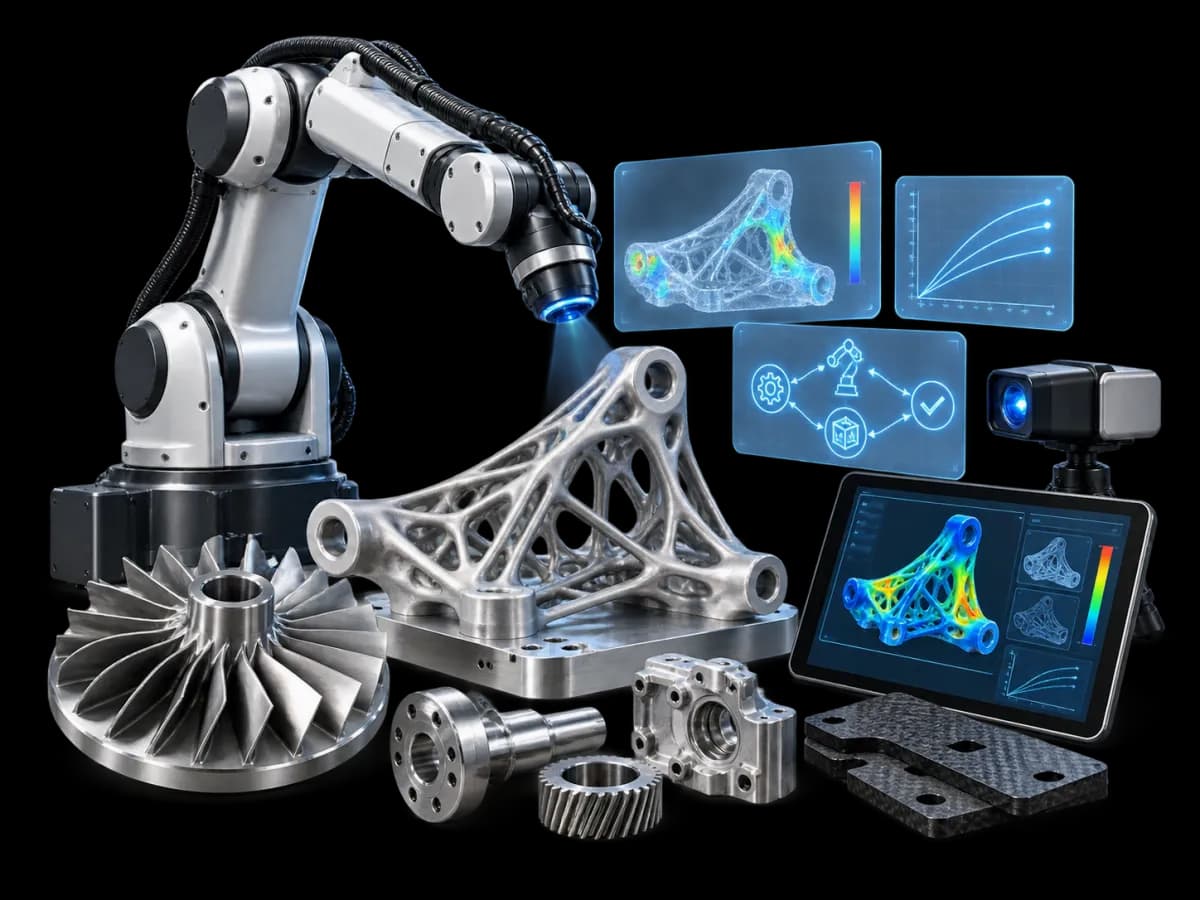
When a batch fails or a quality excursion occurs, speed matters. Alchemic retrieves relevant historical incidents, correlates process data with outcomes, and surfaces candidate root causes with supporting evidence, compressing investigation timelines.
Process Drift Detection
Detect gradual shifts in process behavior before they become quality failures. Alchemic monitors process data streams, identifies statistically significant trends, and alerts teams with context on potential causes and recommended corrective actions.
Deviation Analysis
Analyze deviations systematically by connecting current events to historical patterns. Alchemic searches across batch records, CAPA databases, and process historian data to identify whether a deviation is novel or recurring, and recommends appropriate responses.
Revision Impact Review
When a drawing is revised, agents diff the revisions by stable ID and turn the differences into change-review questions: what moved, what it touches downstream, and which records now disagree with the sheet. Reviewers see the change, not two drawings side by side.
SOP Knowledge Reuse
Unlock the knowledge embedded in standard operating procedures, method descriptions, and manufacturing instructions. Alchemic makes SOPs searchable, connects them to process outcomes, and identifies opportunities for method improvement across sites and products.
Quality Prediction
Predict critical quality attributes from in-process measurements and raw material characteristics. Reduce reliance on end-of-batch testing by using model-based quality forecasts that flag potential out-of-spec conditions in real time.
Fab Yield Excursion Tracing
When wafer yield drops, trace the excursion to its source. Alchemic connects incoming material certificates, tool logs, metrology, and defect maps, so teams can see whether an excursion follows a chemical lot, a process step, or a tool, with each link backed by the underlying records.
How Alchemic Helps
Manufacturing excellence depends on institutional knowledge and rapid response. Alchemic makes both systematic rather than dependent on individual expertise.
Manufacturing Knowledge Graph
Connect batch records, process historian data, quality results, CAPA records, SOPs, and raw material data into a unified knowledge layer with full traceability and search.
Evidence-Backed Investigations
Every root-cause hypothesis and corrective action recommendation is linked to supporting data. Alchemic provides citations, confidence levels, and context so teams can act with trust.
Cross-Site Learning
Manufacturing knowledge should not stay siloed at individual sites. Alchemic enables knowledge transfer across facilities while respecting data permissions and organizational boundaries.
Draft Registers from Drawings
Build source-linked equipment, line, and instrument registers from the drawings you already hold, with the gaps stated plainly. Every field that could not be populated from the sheets supplied is called out rather than silently left blank.
Decision Audit Trails
Every investigation, prediction, and recommendation is logged with full provenance. Alchemic supports regulatory requirements for traceability and documentation in manufacturing environments.
Inside a campaign: Yield drift root cause
Find the actual cause of a four-week yield decline.
A high-volume line has slipped two points of yield over four weeks. Nothing in the change log obviously caused it. The investigation team has historian data, batch records, raw-material lot histories, and pressure from operations to converge on an answer.
- Step 01 · Input
Frame the investigation
The yield window, affected SKUs, and recent change log are entered. The agent links historian streams, lot genealogy, QC results, and SOP versions in one context layer.
- Step 02 · Generation
Surface candidate drivers
200+ process variables are correlated against the outcome. The agent surfaces 6 plausible drivers, each with the evidence path and the historical incidents that support it.
- Step 03 · Tradeoffs
Rank by evidence and cost
Drivers are ranked by evidence strength, correctability, and likely cost-to-fix. A raw-material moisture spec change shows the strongest signal and the cleanest fix.
- Step 04 · Plan
Plan the confirmation
The agent proposes a focused trial, segregating two upcoming lots by moisture range, so the team confirms the cause without halting the line.
Outcome: Investigators move from a long list of suspects to a ranked, evidence-backed shortlist in days, not weeks. The confirmation experiment is small, defensible, and feeds back into the model, so the next drift gets caught earlier.
Turn manufacturing knowledge into a competitive advantage
See how Alchemic helps manufacturing and quality teams investigate faster and predict better.